


01 July, 2025
Recovery and Characterization of Hydroxyapatite from Fisheries Waste in Bangladesh: Smart Valorization from Waste to Wealth

Dr. Monjurul Haq
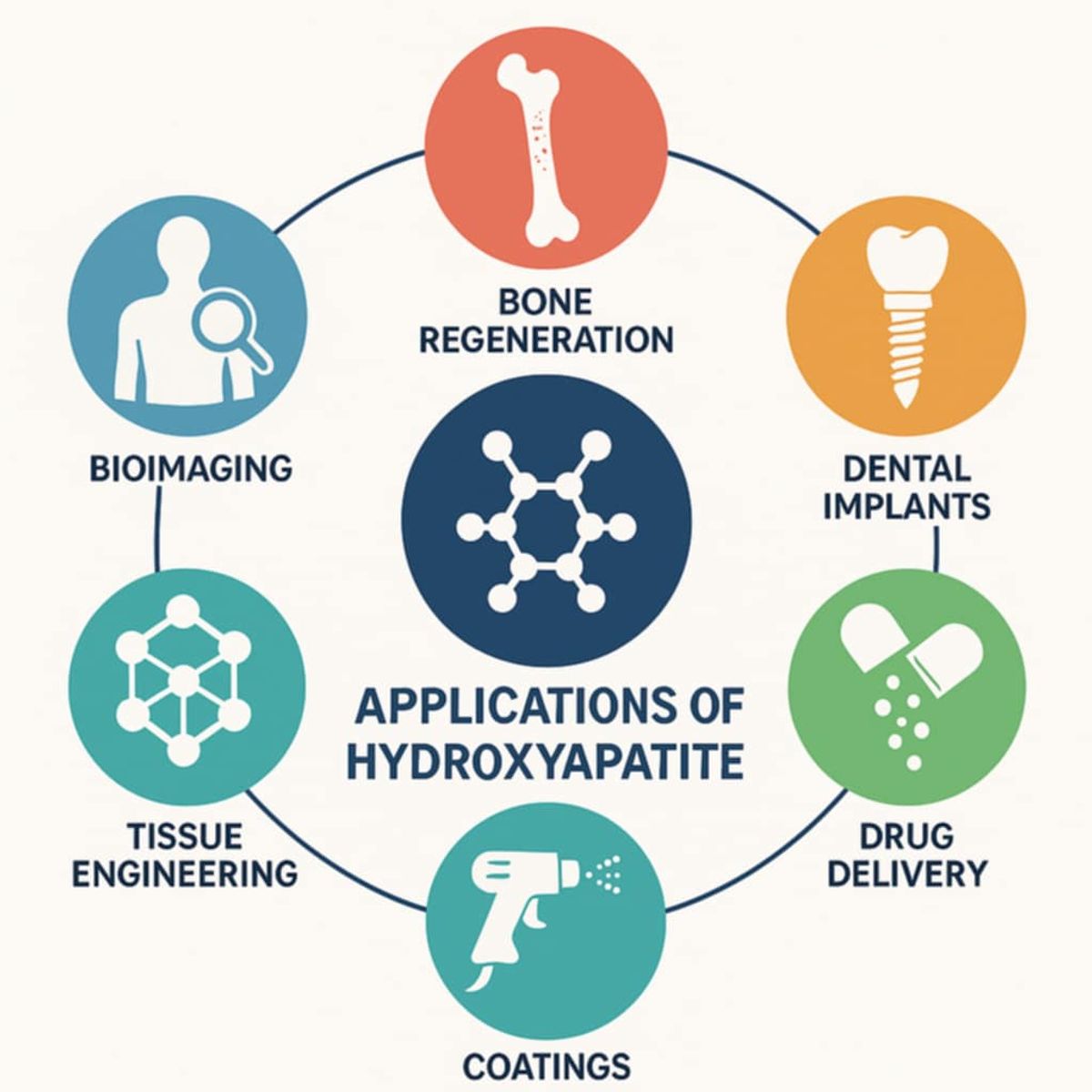
Bangladesh, with its vast aquatic resources and thriving fisheries sector, generates a significant amount of fishery by products, including fish bones, scales, and shells. These materials are often discarded as waste, contributing to environmental pollution and underutilization of valuable bioresources. Among these by-products, the percentage of fish bones in the total body weight of a fish typically ranges from 10% to 15%, depending on the species, size, and age of the fish. It is a rich natural source of hydroxyapatite (HAp), a calcium phosphate compound widely used in biomedical, pharmaceutical, and environmental applications due to its excellent biocompatibility and bioactivity. Despite the growing demand for hydroxyapatite in various industries, Bangladesh currently relies on costly imports to meet its needs, while simultaneously overlooking the potential of locally available fisheries waste. There is a critical need to develop an efficient, eco-friendly, and cost-effective method for the recovery and characterization of HAp from fishery waste to transform this untapped resource into high-value products. This project aims to address the dual challenge of waste management and resource recovery by exploring smart valorization techniques that convert fisheries waste into wealth. By focusing on sustainable recovery processes and thorough characterization of hydroxyapatite, the study seeks to support circular economy practices, reduce environmental burden, and promote value-added utilization of waste in Bangladesh.
Research Images
More Researches

Nutritional characterization of freshwater mud eel (Monopter…
19 July 2020
Utilization of Atlantic salmon by-products for valued materi…
14 April 2019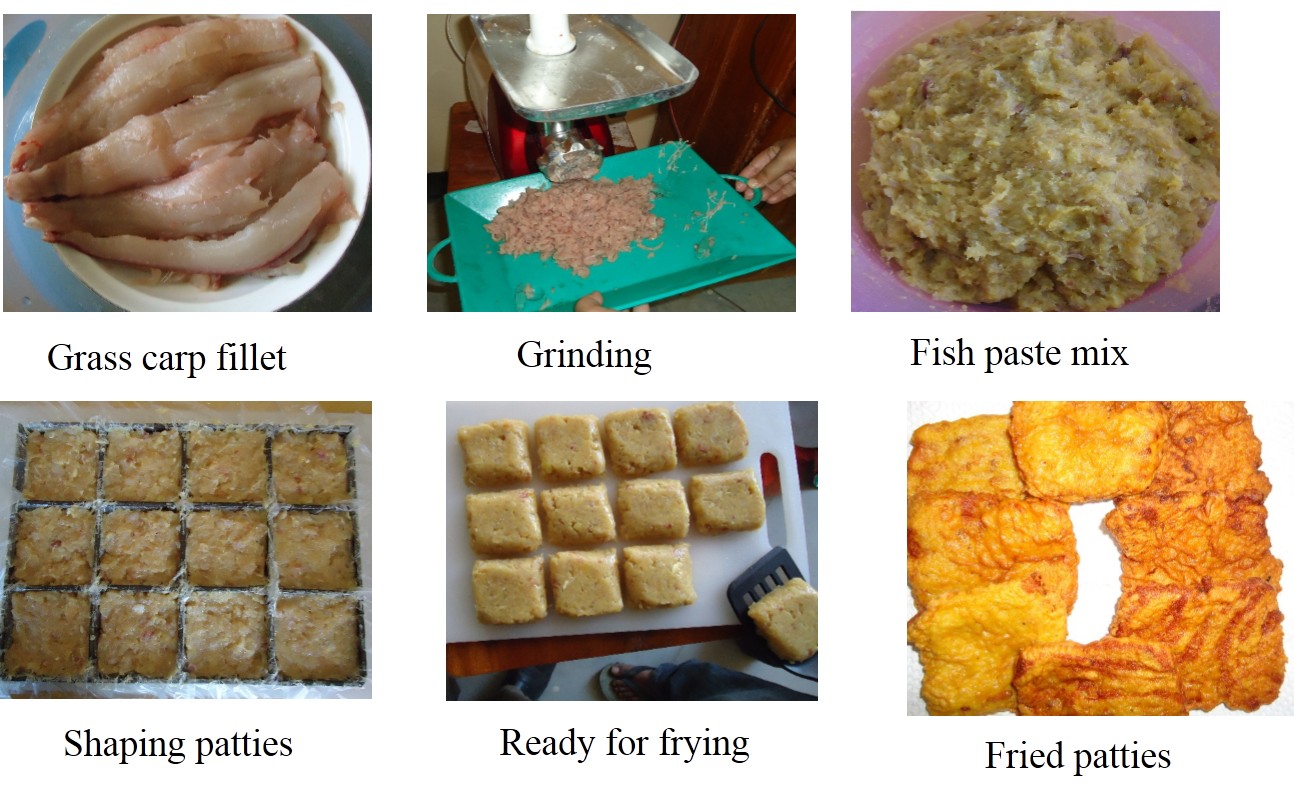
Production and quality analysis of fish burger from grass ca…
15 April 2019
Value added fishery product development from low price avail…
14 April 2019-
Production and quality analysis of fish burger from grass ca…
14 April 2019